
Business and technology architecture
Business and technology architecture
We design target business process, data, information systems and technology architectures that provide the foundation for developing, modernising and integrating digital solutions.
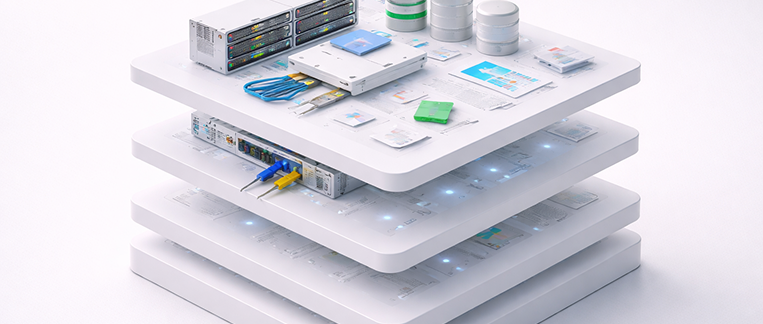
A unified architecture connecting business and technology
A clear architecture helps an organisation understand how its processes, data, systems and technologies should work together. It reduces solution fragmentation, supports dependency management and creates a coherent foundation for system development, integration and technology modernisation.
Common challenges:
Data is duplicated and inconsistent
Integrations become complex and costly
New solutions take longer to implement
Many organisations address problems by implementing new systems without reviewing the overall architecture, allowing complexity to increase further.
What the service includes
Enterprise architecture design
We bring together the business model, processes, capabilities, data, systems and technology in a unified view of the organisation’s architecture.
Systems and platform architecture
We design the target structure of information systems, platforms, components and technology layers.
API and integration architecture
We define system interaction principles, API structures, integration models, data flows and governance rules.
Data architecture
We design data domains, models, repositories, data exchange, quality and governance principles.
Value to client
Informed investment decisions
Modular principles make solutions easier to extend, change and integrate.
Less fragmentation
Clearly defined responsibilities and interactions reduce duplication and technical debt.
Technology flexibility
Architecture helps assess the impact, dependencies and long-term costs of different decisions.
An integrated IT ecosystem
Processes, data and systems are designed as an interconnected whole.
Service model
We tailor the scope and stages of the service to the organisation’s situation, project maturity and intended outcome.

Current-state architecture assessment
Duration: 3–6 weeks
Includes
•
An inventory of processes, systems, integrations, data and technologies
•
Analysis of the main challenges
•
An inventory of processes, systems, integrations, data and technologies
Result
Current-state architecture map
Gaps and improvement priorities
Gaps and improvement priorities

Target architecture design
Duration: 6–12 weeks
Includes
•
Design of the target business, data, application, integration and technology architectures
•
Design of the target business, data, application, integration and technology architectures
•
Design of the target business, data, application, integration and technology architectures
Result
An agreed target architecture
Agreed core design principles
Agreed core design principles

Architecture transformation roadmap
Duration: 3–6 weeks
Includes
•
Planning transition stages, dependencies, priorities, initiatives and technology solutions
•
Planning transition stages, dependencies, priorities, initiatives and technology solutions
•
Planning transition stages, dependencies, priorities, initiatives and technology solutions
Result
A clear plan for moving from the current to the target architecture
A clear plan for moving from the current to the target architecture
A clear plan for moving from the current to the target architecture

Architecture governance
Duration: Ongoing service
Includes
•
Assessment of new solutions
•
Control of architectural principles
•
Management of decisions and exceptions
Result
Consistent architecture evolution
Less technology fragmentation
Less technology fragmentation
When this service creates the most value
When integration, API or data architecture standards need to be established
When significant system modernisation or a new platform is planned
When an organisation has many loosely connected systems
Build the architectural foundation for consistent system development
Let’s align your processes, data, systems and technologies within one clear target architecture.
Discuss the project