
Integrations and API ecosystems
Integrations and API ecosystems
We deliver API, data exchange and real-time integrations that connect an organisation’s systems, registries, platforms and external services into a unified technology ecosystem.
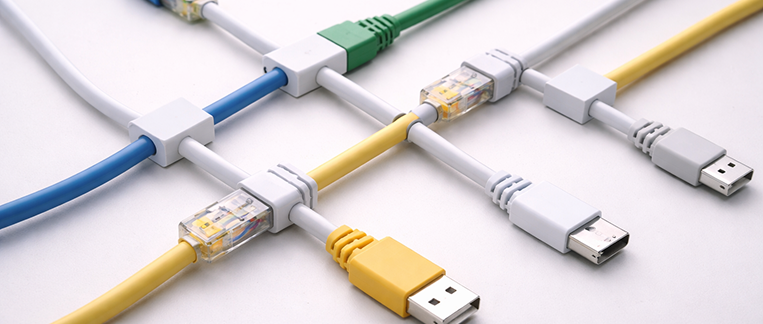
Connected systems, seamless processes
Reliable integrations ensure that data moves between systems automatically, securely and on time. This reduces manual data entry, duplication and errors, allowing organisations to create seamless processes spanning multiple information systems.
Common challenges:
Complex, manual integrations
Data inconsistencies between systems
High interdependency between systems
Our approach: integrations as strategic architecture. We build a sustainable API and integration ecosystem rather than isolated point-to-point connections.
What the service includes
API integrations
We implement interfaces between internal and external systems using REST, SOAP, JSON, XML and other established standards.
Data exchange
We automate data retrieval, transfer, synchronisation and validation across registries, platforms and databases.
Real-time integrations
We build event- and message-driven data exchanges for scenarios where information must be transferred without delay.
Integration reliability
We implement authentication, error logging, retry, monitoring and audit mechanisms.
Value to client
Open ecosystem
Consistent data exchange reduces duplication, discrepancies and the risk of human error.
Faster processes
Systems exchange information in real time, removing unnecessary waiting stages from business processes.
More accurate data
Standardised APIs make it easier to connect new solutions and extend the organisation’s technology environment.
Less manual work
Data is transferred automatically between systems, so employees do not need to enter or verify it repeatedly.
Service model
Services can be delivered as a standalone initiative or integrated into the full project lifecycle:

Integration analysis
Duration: 1–3 weeks
Includes
•
Analysis of the systems to be integrated, API documentation, data structures, security requirements and exchange scenarios
•
Analysis of the systems to be integrated, API documentation, data structures, security requirements and exchange scenarios
•
Analysis of the systems to be integrated, API documentation, data structures, security requirements and exchange scenarios
Result
Agreed integration architecture, data flows and technical requirements
Agreed integration architecture, data flows and technical requirements
Agreed integration architecture, data flows and technical requirements

Interface implementation
Duration: 2–8 weeks
Includes
•
Development of API clients or services
•
Data transformation, authentication, validation and error handling
•
Development of API clients or services; data transformation, authentication, validation and error handling
Result
Working integration interface
Automated data exchange
Working integration interface; automated data exchange

Testing and deployment
Duration: 1–3 weeks
Includes
•
Integration testing
•
Performance and security testing
•
Deployment to test and production environments
Result
Integration tested and operating in the production environment
Integration tested and operating in the production environment
Integration tested and operating in the production environment

Monitoring and support
Duration: Ongoing service
Includes
•
Monitoring data exchange and analysing errors
•
Updating and adapting interfaces as external systems change
•
Monitoring data exchange and analysing errors; updating and adapting interfaces as external systems change
Result
Stable, controlled and sustainable data exchange
Stable, controlled and sustainable data exchange
Stable, controlled and sustainable data exchange
When this service creates the most value
when real-time data exchange is essential
when an organisation needs to connect its system to registries or external platforms
when data is transferred manually between multiple systems

Connect your systems into a unified ecosystem
We will assess the systems to be integrated and their data flows, then propose a clear implementation plan.
Discuss the project